

On this page · 4 sections▾
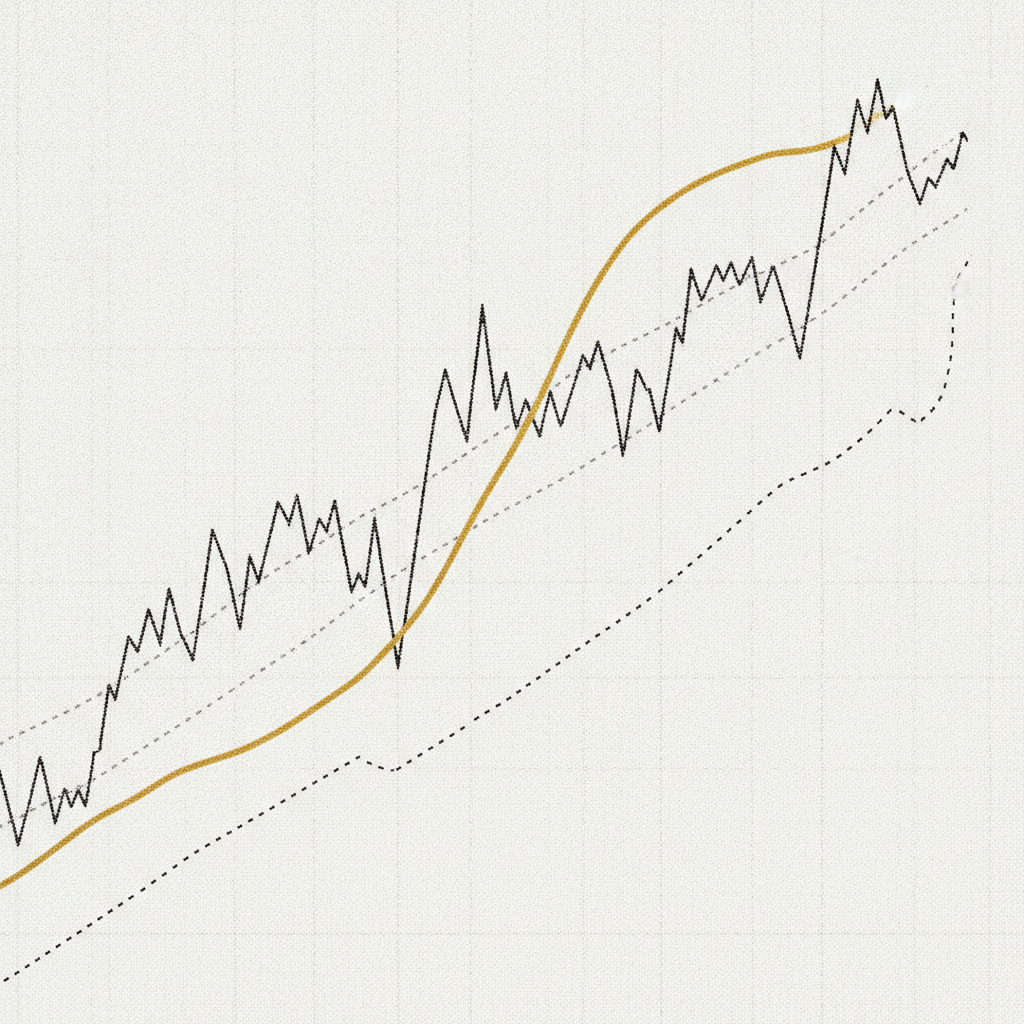
WTI crude sits at $90.83 as of the week of November 8, 2026 — roughly 37.6% above the cross-firm median Dec-26 target of $66.00 across eleven bank desks tracked in the full oil bank forecast table. The $50 spread between the most-bullish and most-bearish desks is unusually wide, reflecting genuine disagreement on OPEC+ resolve, shale supply elasticity, and Chinese demand trajectory.
Key Numbers
- Live spot (WTI): $90.83
- Cross-firm consensus (Dec-26 median, WTI): $66.00
- Dispersion (max − min): $50.00 ($105 Goldman Sachs to $55 Citi)
- Gap vs spot: −37.62% (spot trades well above consensus)
- Most-bullish desk: Goldman Sachs at $105.00 (WTI)
- Most-bearish desk: Citi at $55.00 (WTI)
Where Does Each Desk Stand on WTI for December 2026?
| Firm | Dec-2026 target | Stance |
|---|---|---|
| Goldman Sachs | $105.00 | bullish |
| Mizuho | $100.00 | bullish |
| Westpac | $85.00 | bearish |
| HSBC | $73.00 | bullish |
| Morgan Stanley | $66.00 | neutral |
| ANZ | $66.00 | neutral |
| UBS | $65.00 | neutral |
| Wells Fargo | $65.00 | neutral |
| Deutsche Bank | $58.00 | bearish |
| Macquarie | $58.00 | bearish |
| Citi | $55.00 | very-bearish |
Note on Brent: Goldman Sachs carries a separate Brent target of $105.00 (bullish), and UBS holds a Brent target of $110.00 (neutral). These Brent-benchmark figures are excluded from the WTI consensus statistics above and are cited here for cross-benchmark reference only.
Why Does WTI Spot Trade So Far Above the Bank Consensus?
Three structural forces are keeping spot elevated while the forward curve and bank targets converge lower.
OPEC+ supply discipline remains the primary support. The coalition has sustained meaningful voluntary cuts through 2026, and compliance has been firmer than many desks anticipated entering the year. Goldman Sachs, the lonely-bullish outlier at $105, argues that OPEC+ has demonstrated both the willingness and the capacity to defend a price floor well above $80, and that any demand recovery in Asia would tip the market into deficit. Mizuho at $100 echoes that view, citing tighter Middle East spare capacity than consensus assumes.
US shale break-evens complicate the bearish case. The Permian Basin's marginal barrel is widely estimated in the $50–$60 range on a full-cycle basis, which means the bearish targets from Deutsche Bank ($58) and Macquarie ($58) sit at or near the threshold where US supply growth stalls. Citi's $55 target — the most bearish in the panel — would require either a demand shock or a breakdown in OPEC+ cohesion to materialise without triggering a supply response from the US side. Citi's thesis rests on a massive non-OPEC surplus building through Q4, with OPEC+ cuts characterised as insufficient to absorb it.
Chinese demand is the swing variable neither camp can price with confidence. The neutral cluster — Morgan Stanley, ANZ, UBS, Wells Fargo, all at $65–$66 — reflects a base case of supply growth slightly outpacing demand, with OPEC+ managing an orderly unwind of cuts and petrochemical feedstock demand partially offsetting transport fuel weakness. That cluster is also the median, which is why the consensus prints at $66 despite two desks above $95.
The non-bank benchmarks sit between spot and consensus. The EIA Short-Term Energy Outlook (STEO) carries a 2026 average of approximately $88.00, with a Q4 path near $97.00 — meaningfully above the bank median but directionally consistent with the idea that near-term supply tightness fades into year-end. The FXStreet poll (updated November 6) shows a 1-week read of $91.00 (sideways), a 1-month read of $85.28 (bearish), and a 1-quarter read of $80.94 (bearish) — a term structure that mirrors the bank consensus direction but at higher absolute levels.
Which Desks Are the True Outliers and What Is Their Conviction?
Goldman Sachs is the lonely-bullish desk at $105 — the only firm projecting WTI above current spot. Its view is synthesised from public Brent-oriented commentary and carries the caveat that the underlying research is not a primary bank PDF. Even so, the $105 target is $15 above the next-most-bullish desk (Mizuho at $100) and $39 above the consensus median, making it a genuine outlier rather than a rounding difference.
Citi is the lonely-bearish desk at $55 — the only firm projecting WTI more than $10 below the next-most-bearish cluster (Deutsche Bank and Macquarie at $58). Citi's very-bearish designation reflects a structural surplus call, not merely a cyclical softening view. At $55, WTI would be trading below most US shale break-evens, implying either a demand destruction event or a fracture in OPEC+ discipline.
Westpac at $85 is the most interesting middle-ground anomaly: the stance is labelled bearish despite a target that is still $19 above the consensus median and only $6 below spot. That reflects a desk calling for a moderate decline from current levels rather than a collapse — a view closer to the EIA STEO trajectory than to the bank consensus.
Frequently Asked Questions
What is the current WTI oil price forecast consensus for December 2026?
The median Dec-26 WTI target across eleven bank desks is $66.00, based on data as of November 8, 2026. Spot trades at $90.83, leaving a gap of approximately 37.6%.
Which bank is most bullish on WTI oil?
Goldman Sachs holds the highest WTI target in the panel at $105.00 for December 2026, a bullish call that stands $39 above the consensus median.
Which bank is most bearish on WTI oil?
Citi carries the lowest WTI target at $55.00, a very-bearish stance predicated on a large non-OPEC supply surplus overwhelming OPEC+ production restraint.
How does the EIA STEO compare to bank consensus on WTI?
The EIA STEO projects a 2026 WTI average near $88.00 with a Q4 path around $97.00 — well above the $66 bank median but directionally consistent with a gradual price decline from current spot levels.
→ See the full Goldman Sachs FX outlook for the complete set of commodity and currency targets updated through Q4 2026.
Read next
Firms covered in this article
More from WTI
- WTI
WTI at $90.83 vs $66 Consensus: A 37% Gap Heading Into Dec-2026
WTI spot at $90.83 sits 37.62% above the 11-bank Dec-2026 consensus of $66, with a $50 dispersion separating Goldman's $105 bull case from Citi's $55 floor.
- WTI
WTI Consensus at $66 vs $90 Spot: Bank Forecasts, Week of November 6, 2026
WTI trades at $90.35, nearly 37% above the $66 cross-firm median Dec-26 target, with an extreme $50 spread separating Goldman from Citi.
- WTI
WTI Consensus Check, Week of November 4, 2026: Spot at $95 vs $66 Median
WTI spot at $95.23 sits 44% above the 11-bank Dec-26 median of $66, with a $45 dispersion signalling deep disagreement on the supply outlook.
Share